
Like a betel nut in a nutcracker
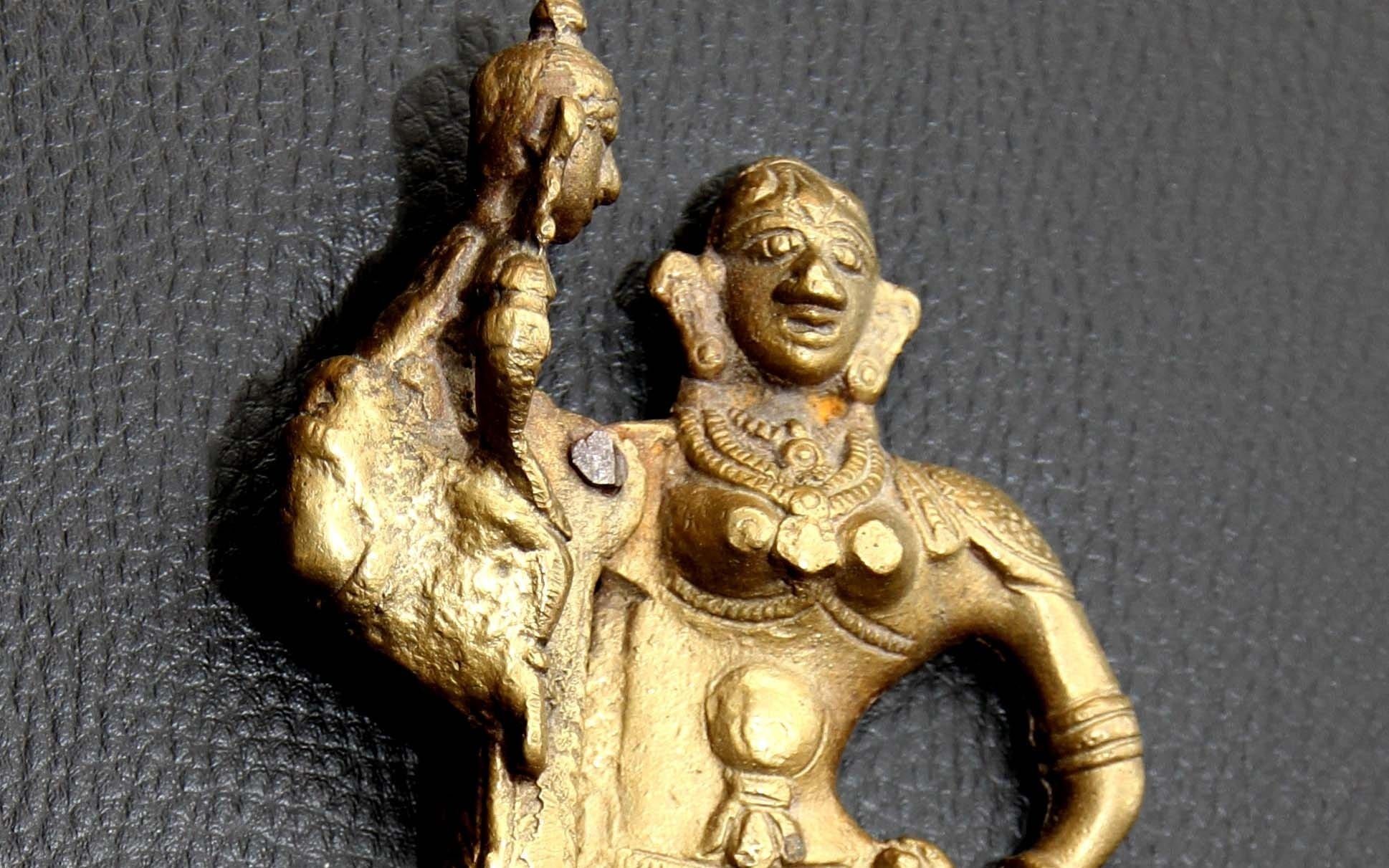

అడకత్తెరలో పోకచెక్కలాగా
Amma1 asked if she had told us about a couple who came to her parents’ house looking for shelter. Nanna2 and her were visiting us and my spouse, our sons, and I were enjoying their company as they both shared family stories, their childhood and mine. She started telling us the story without waiting for my answer, staring into a distance as if the events were replaying in her head.
"As you know, travelers who were passing through our town routinely stopped by our house during my childhood asking for shelter for the night and my parents provided them with both. It was the custom to host anyone who comes asking for help in those days. One evening as we were getting ready to sit down for dinner, a young couple, a man and a woman in their early twenties, walked in through the front gate. The man asked my father if he and his wife could stay for the night. I observed that there was something strange about them. They were both young, the man was muscular with a weathered look that could be the result of working in the fields. The woman, on the other hand, had delicate features with soft hands like she never lifted a finger to do any work or spent time in the sun. He was dressed in simple clothes whereas she was dressed in a finely woven cotton cheera3, wearing earrings and a necklace. They carried a small bag full of clothes and other necessities as if they left in a rush. My mother gave them food and showed them where they could sleep for the night, handing them bedding.
I was surprised to find them both at our house the next day because I expected them to get back on the road after their night stay. I learned that the man asked for work and my mother hired them to do gardening and other chores around the house. I was not at all surprised when I noticed that the man was doing all the work while the woman did very little, confirming my observation that the woman looked like she wasn’t accustomed to hard work. The man attended to her needs as if she was someone he worked for, while she carried herself like a wealthy person's daughter dressed in nice clothes. They slept in a spare room and worked in the yard during the day.
My mother didn’t have any complaints about their work, though she also thought that something was odd about their situation. She said to me, 'I think the woman is the daughter of a wealthy farmer from my higher caste, the man is from a lower caste and he worked for the family. I suspect they eloped and I have my fingers crossed hoping that the farmer won't come looking for them.' I got curious and learned from them that they were indeed in love, eloped, wanting to get married and make a life for themselves.
A few months went by before my mother's fear became reality. One morning, a group of villagers showed up at our door asking about a man and woman fitting the description of the couple. A man who looked like the leader of the group told my father that his daughter left with their farmhand a few months ago, and he had been searching for them ever since. He came looking for them as soon as he learned that they might be at our house. My father was concerned that the couple would be in danger if he handed them over to the villagers, knowing only too well that he didn’t have the authority to prevent them from taking the man and the woman back to their village.
We desperately hoped that the couple weren’t the people the villagers were after. Alas, our hopes were dashed when the farmer confirmed that the woman was his daughter. The couple were scared, looked pale, and the man understood that his life could be in danger. My parents weren't on board to hand them over to the villagers without asking for assurances that no harm would come to them. They asked the villagers to leave the man alone and take the daughter home with them. In the end, it was really out of their hands as the villagers were armed and determined to get what they came looking for. We helplessly watched as they loaded them onto their bullock cart and as it was slowly pulled away from the house."
"I was sick to my stomach thinking that the couple would not make it back to the village alive. I kept thinking that they should have gotten on a train that took them farther away instead of stopping in a place close to their village," said Amma. Scanning our sad faces, she continued, “That’s not the end of the story though. A few weeks later, the man came back alive and worked for us for a few years. He told us that the farmer decided to let him go to bury the story about the elopement. The woman was married off to someone from the same caste and of an equal financial status, who didn’t know about her past. Even though it was sad that the couple couldn’t stay together, they got to live. The man appeared to have made peace with the outcome and the situation.” Amma wondered aloud if her parents had indeed made a difference by pleading for the safety of the couple.
Amma told us that she thought of “అడకత్తెరలో పోకచెక్కలాగా (Adakatteralo poka chekka laga)” sameta4 when the villagers came for the couple and that it aptly described their predicament which was, “like a betel nut in a nutcracker”. Nanna said, “I am glad they managed to get out of the nutcracker without getting physically crushed even though their hearts weren’t spared.” My spouse added, “It is a positive outcome for the two of them based on what I heard growing up about such incidents. At least they didn’t end up dead like Romeo5 and Juliet6." “I am glad the man remained sane, unlike Majnu7 who became unhinged, and I hope the woman did not die soon after she got married like Layla8.” I added.
Amma was curious if something like this could happen in the US. She asked, “Can people from different races and financial backgrounds marry in the US?” “They can and interracial marriages have been legal nationwide since 1967, though they were legal in some states before then. Differences in financial background don’t become a problem if the couple come from the same race and religion,” I replied. Amma responded with, “Hmm. I expected them to be legal much longer than that in the US because I was under the impression that people in the US would have more freedom in choosing whom they marry, unlike us in India, where the majority of people marry someone within their caste, even though there are no laws barring them from choosing someone from a different caste or religion. As you know, in India, family and social pressure hinders people from freely choosing whom they marry. Lineage is considered important to preserve from generation to generation. In addition, people believe that coming from the same familial culture and traditions and financial status alone can make two people compatible to be together for life and raise children.”
“It requires empathy and commitment to overcome differences in upbringing and financial status for sure,” I said, winking at my spouse. Noticing my wink, Amma smiled and acknowledged that my spouse and I are doing a great job of choosing each other even though the only thing we have in common is our Indian ancestry. She then asked, “So what happened when people from different races married before it became legal?” “They were arrested and punished or worse yet, killed,” I said as my spouse nodded in agreement. Amma said, “I am glad things changed for the better," and looked at Nanna for his opinion. He was intently following our conversation and offered his observation, "It appears our impressions from afar could be wrong. Hey, we are indeed in a better place now.”
1 - అమ్మ (Amma) is mother in Telugu.
2 - నాన్న (Nanna) is father in Telugu.
3 - చీర (cheera) is saree in Telugu.
4 - సామెత (sameta) is a proverb in Telugu.
5, 6 - Romeo and Juliet is a William Shakespeare play about the tragic romance between two young people from feuding Italian families.
7, 8 - Layla and Majnu is a story about a 7th-century Arabian poet Qays ibn al-Mulawwah and his lover Layla bint Mahdi (later known as Layla al-Aamiriya). They fell in love when they were young. As they got older, Quays kept writing poems about his lover and talking about her constantly with people around him. This led to him developing a reputation for being unhinged and people calling him “Majnu (unhinged)." Layla's father didn’t agree to Layla marrying an unhinged man, forcing her to marry another man. She died of heartbreak soon after the marriage. Quays truly went mad after Layla’s death.